


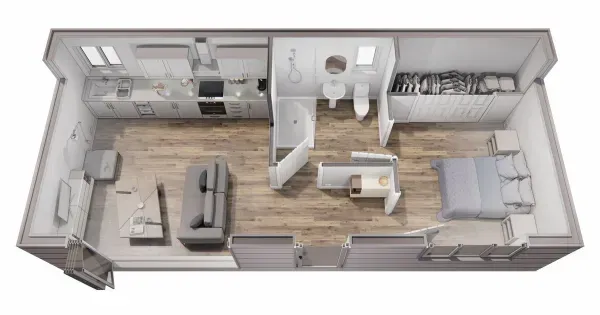

What to know about granny flat approvals before you build
Secondary dwellings can add serious value and flexibility, but approvals, access, and services need to be thought through early.
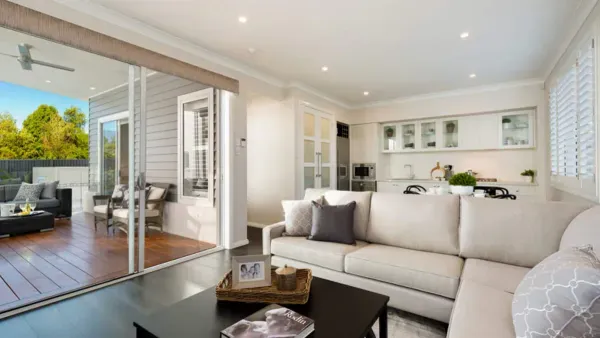
A granny flat project is more than fitting a small building in the backyard. The site needs to support access, services, setbacks, and a layout that still feels comfortable and private. In Queensland the rules around secondary dwellings have become more flexible in recent years — in many areas you can now rent a granny flat to anyone, not just family — which has made them one of the smartest ways to add income or multi-generational space on the Gold Coast and across Brisbane.
Approvals: what's usually involved
Most granny flats need building approval, and depending on your local council and the size and siting of the dwelling, you may also need planning (development) approval. Key things that influence approval include the dwelling's floor area, its setbacks from boundaries, on-site parking, private open space, and whether the lot is large enough under the local plan. The good news is that a well-sited secondary dwelling on a standard block is often a relatively straightforward approval — the complexity comes from the site, not the paperwork. We manage the approval process and certifier so you don't have to navigate it alone.
Start with the site
Access, slope, drainage, and service locations all affect how smoothly a secondary dwelling can be delivered. Even if a concept looks simple, the site conditions may shape the final layout and spend. Getting machinery and materials to the rear of a property, dealing with a fall across the block, and connecting to existing stormwater and sewer can each add cost that a floor-plan price never shows.
Think beyond compliance
A good granny flat should feel like a real home, not a compliance exercise. Orientation for light and breeze, privacy from the main house, a usable outdoor space, and a layout that lives larger than its footprint all matter — especially if you're housing family or want to attract quality tenants. Smart storage, good ceiling height, and a connection to a private courtyard make a small dwelling feel generous.
Site works can add more than expected
- Stormwater and plumbing routes can influence both cost and feasibility, particularly on sloping or low-lying blocks.
- Electrical upgrades and metering — including whether you separately meter the dwelling for a tenant — should be considered early.
- Retaining, access paths, driveways, and landscaping often affect the final budget more than people expect.
Frequently asked questions
Can I rent out my granny flat?
In many Queensland areas you now can, including to non-family tenants, but it depends on your council and zoning. We confirm what applies to your property before you commit to a design.
How big can a granny flat be?
Maximum floor area is set by your local planning scheme and is commonly around 50–60m², though this varies. The right size also depends on who will live there and your budget.
Does a granny flat add value?
A well-built secondary dwelling can add both rental income and resale value, and it's usually far cheaper per square metre than extending the main home.
If you are thinking about a secondary dwelling, our granny flat building service is a good place to start, and our Brisbane renovations page covers related whole-property projects. We can talk through likely constraints before you over-invest in planning.
.webp)